Quick Answer
Astigmatism is a common vision condition that occurs when the cornea or lens of the eye has an irregular curvature, which may cause blurred or unclear vision. Astigmatism can be corrected with contact lenses specifically designed for it, known as toric contact lenses.
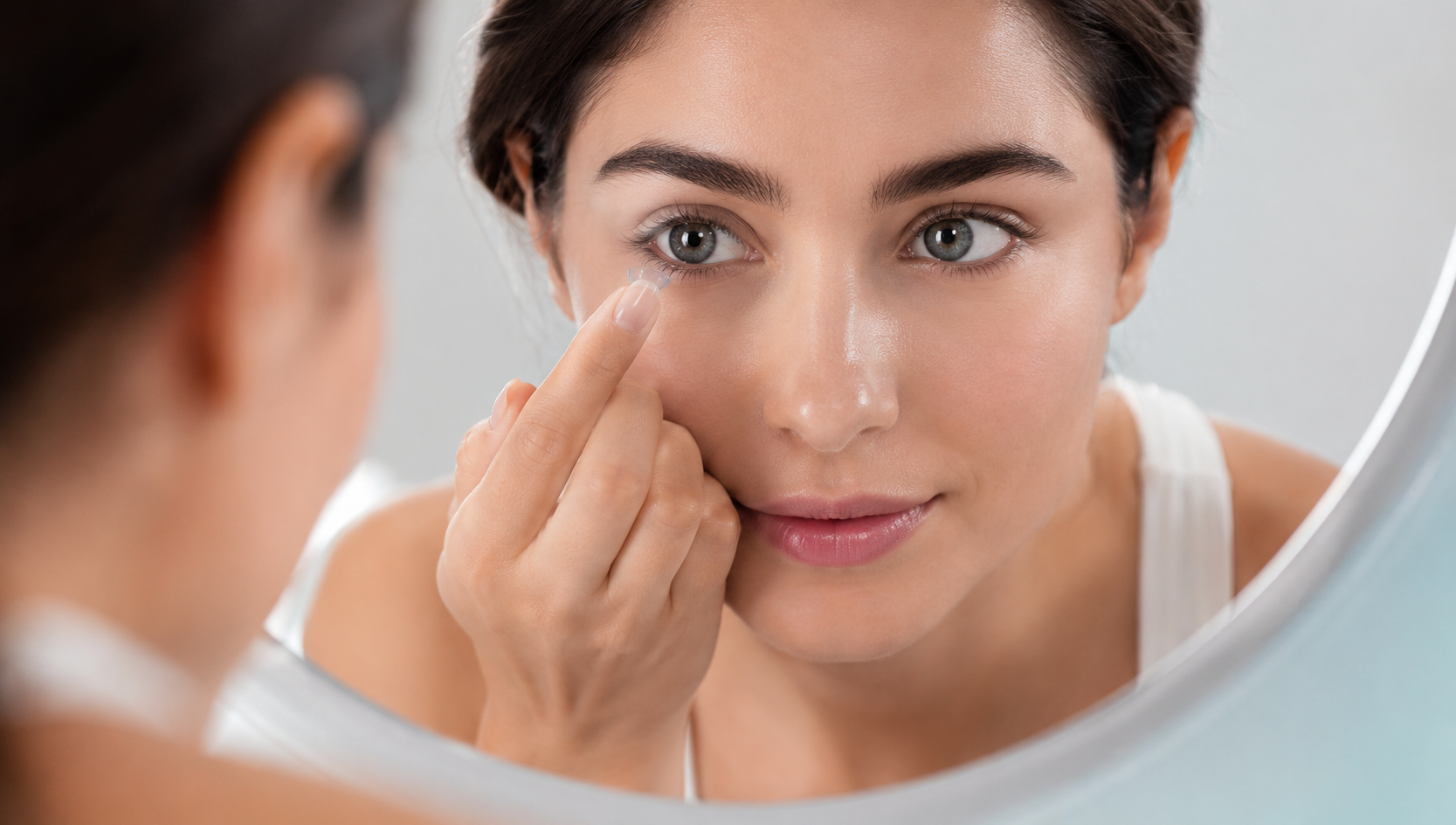
Contact lenses have become one of the most popular vision correction options worldwide.
Whether you are nearsighted, farsighted, have astigmatism, or simply want an alternative to glasses, contact lenses offer clear vision, comfort, and freedom for everyday life.
Modern contact lens technology has made lenses safer, more breathable, and more comfortable than ever before. With daily, monthly, and specialty lenses available, there is a solution for almost every lifestyle and vision need.
Quick Answer
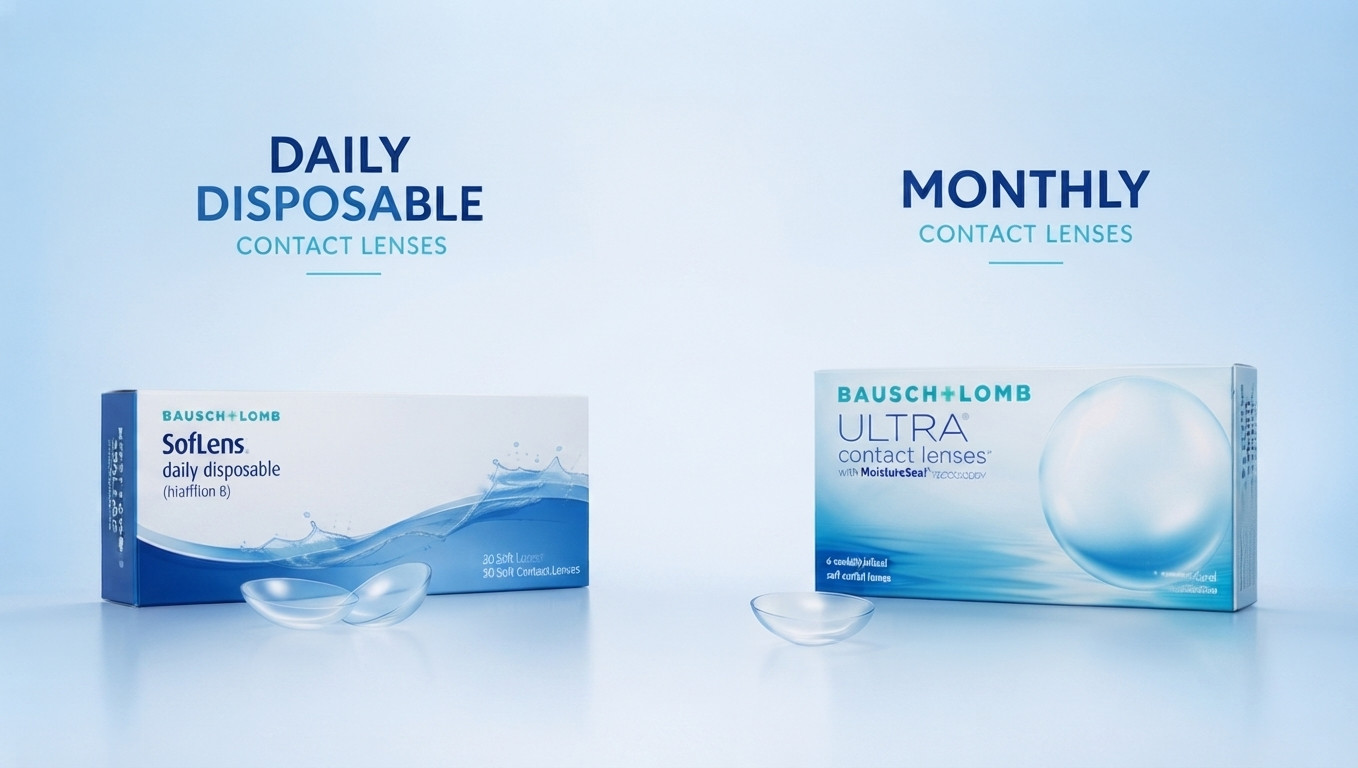
Daily disposable contact lenses are worn once and thrown away, while monthly lenses are reused for up to 30 days with proper cleaning and storage. Daily lenses offer maximum convenience, while monthly lenses are a more cost-effective choice for regular wearers. The best option depends on your lifestyle and your eye care professional’s recommendation.
Contact lenses offer a convenient and comfortable way to correct vision, but proper use and care are essential for maintaining healthy eyes. Even experienced wearers can develop habits that may affect comfort, lens performance, or eye health.
Understanding these common mistakes can help you enjoy a safer and more comfortable lens-wearing experience.
Introduction
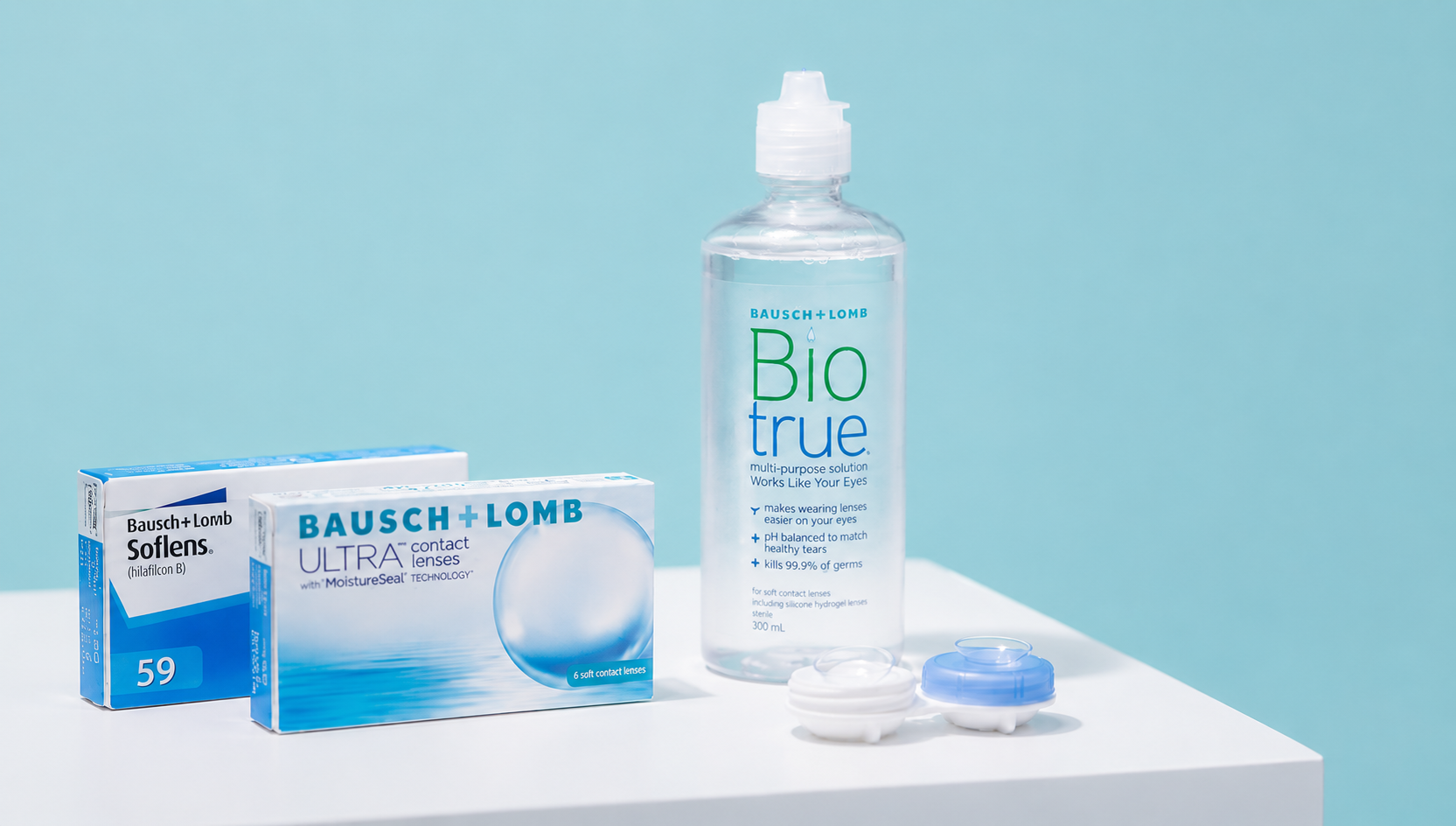
Proper contact lens care is an important part of maintaining healthy eyes and comfortable vision.
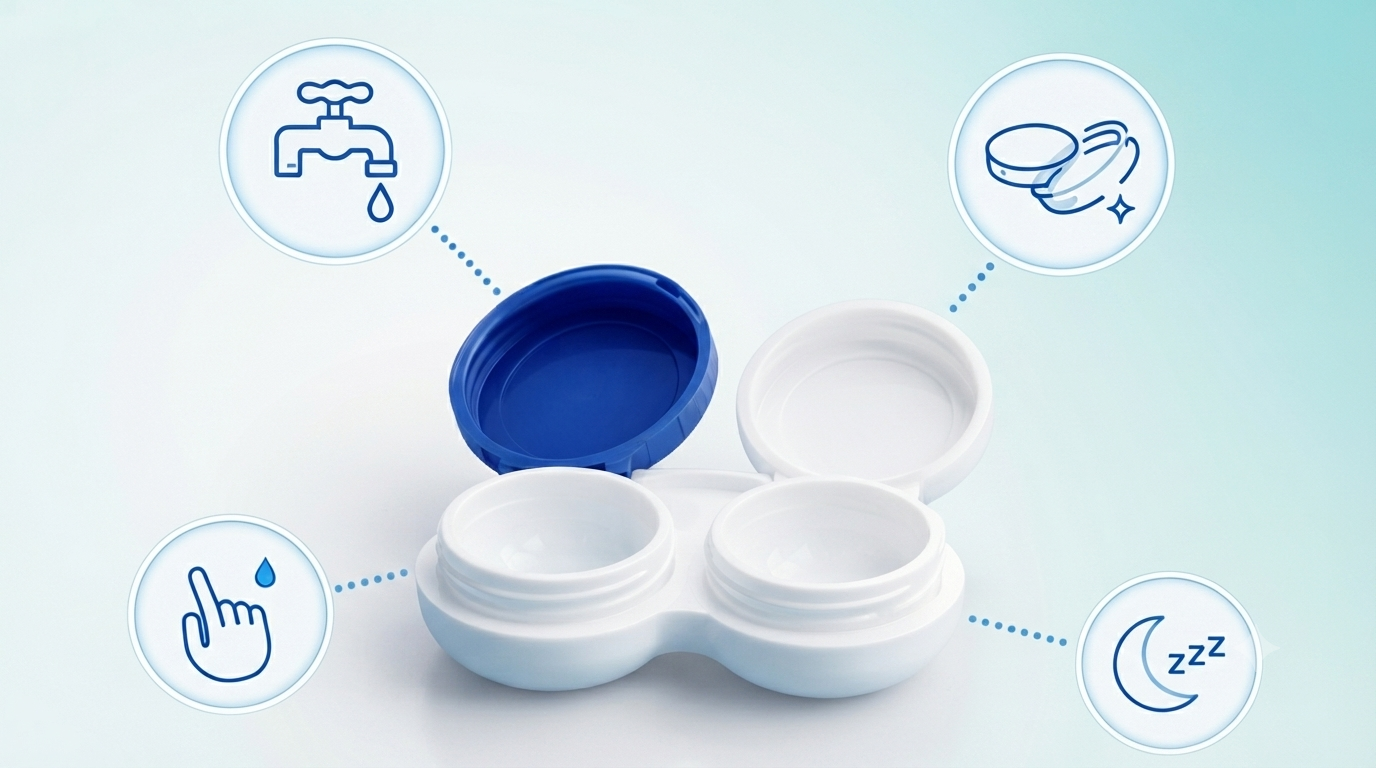
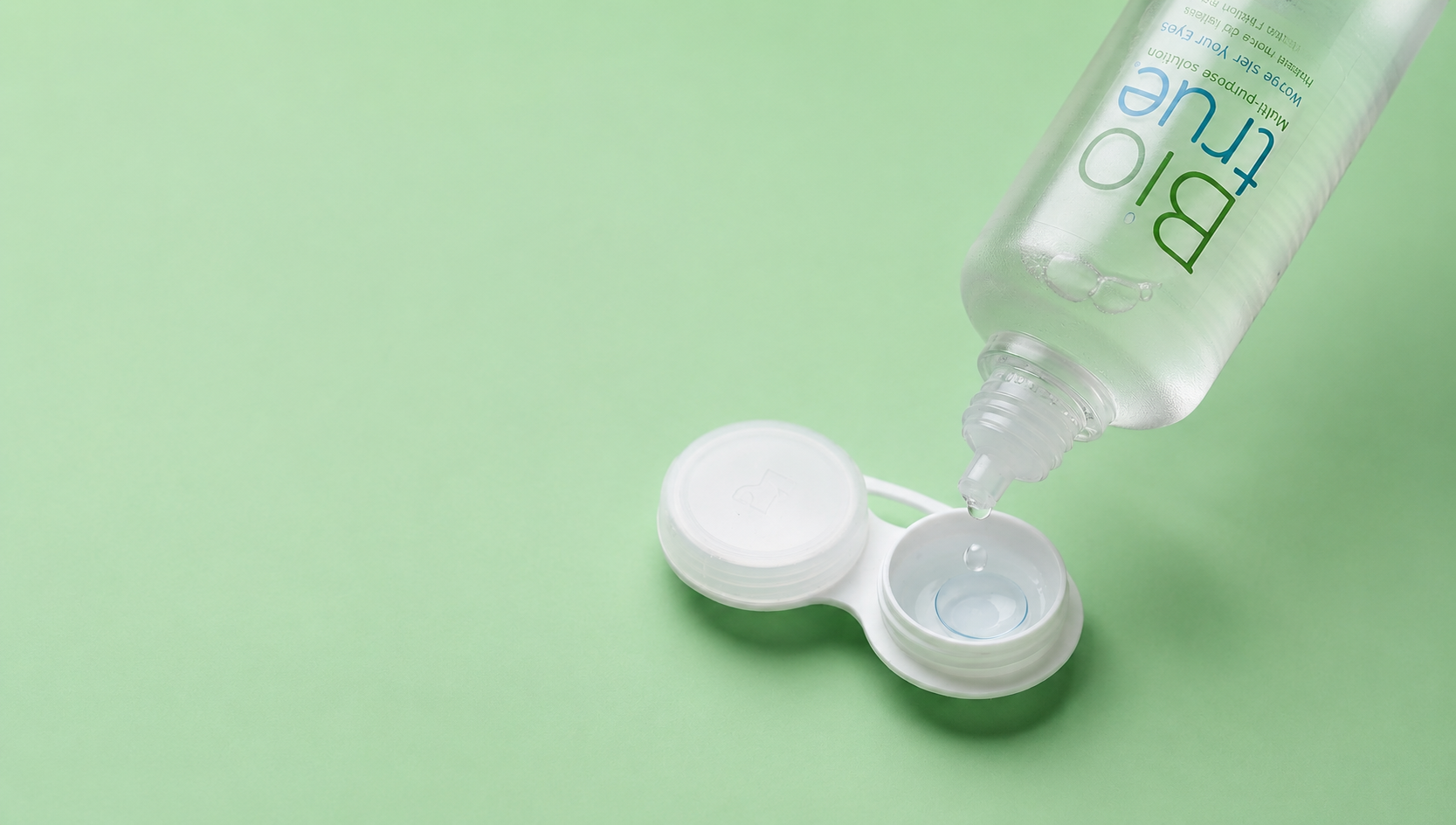
Reusable contact lenses require daily cleaning, disinfection, and proper storage to help remove deposits and microorganisms that can accumulate during wear.
Following a consistent lens care routine can help keep your lenses clean, comfortable, and ready for everyday use.
Quick Answer
Sleeping in contact lenses is generally not recommended unless your contact lenses have been specifically prescribed and approved for overnight wear by your eye care professional.
Wearing contact lenses while sleeping may reduce the amount of oxygen reaching the cornea and can increase the risk of eye irritation, dryness, and infection.
Always follow the wearing schedule recommended by your eye care professional and the instructions for your specific contact lenses.